Core Birthright #5 - Spontaneous & Joyful
Share post
Rope Flow & the Nervous System
This year, I went down a bit of a rabbit hole exploring unconventional workout routines and quickly fell in love with the idea of exercise flow. Using kettlebells and ropes, moving in a continuous, rhythmic way was a different kind of gym experience for me—one that felt different in my body and completely roped me in (pun fully intended).
As I reflected on why I was so drawn to this style of movement, I realized it wasn’t just about strength or conditioning. These workouts were regulating my nervous system in a way I hadn’t experienced through sports or traditional exercise. They felt grounded, athletic, organized, and perhaps most importantly, FUN.
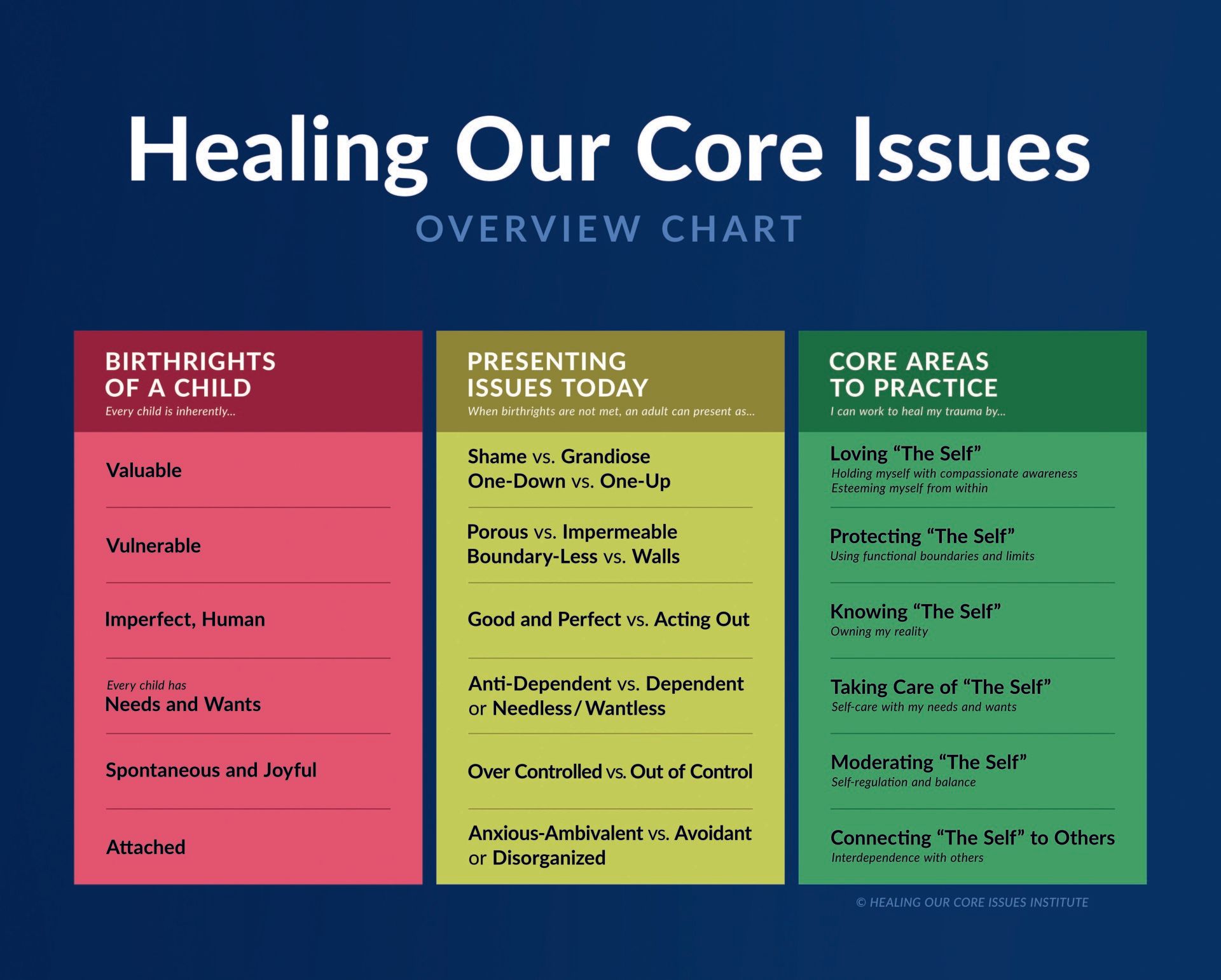
When I get excited about something, I love sharing what I’m learning (any true Enneagram 7 will understand). So this is my introduction to Rope Flow, based on my personal insights and experiences, along with a few videos to illustrate what I’m talking about. It’s a workout that’s harder than it looks, deeply beneficial for the body and the nervous system, and one I’ve found aligns closely with Core Issue 5 in the Healing Our Core Issues model: being spontaneous and joyful.
What Is Rope Flow? Rope Flow is a rhythmic movement practice using light or weighted ropes to create continuous, looping patterns around the body. While often framed as a coordination or fitness tool, Rope Flow has meaningful implications for nervous system regulation, brain integration, and embodied healing.
As I experienced more of this movement and began learning about the science behind it, my intrigue made even more sense. Through bilateral movement, rhythmic predictability, proprioceptive input, and breath engagement, Rope Flow activates many of the same mechanisms used in EMDR, somatic therapies, sensory integration, and Polyvagal-informed work.
Beyond regulation alone, it also supports reconnection to the Spontaneous & Joyful Core by restoring play, creativity, and freedom of movement, capacities that are often diminished by chronic stress or trauma.
If you’re curious what Rope Flow actually looks like, I’ve gathered a small collection of videos from my personal trainer and a few other practitioners I follow and enjoy. You’ll find a mix of playful, spontaneous movement and more structured flows—feel free to explore whatever feels most inviting or accessible to your body.
👉 https://linktr.ee/ashleydunntn
Bilateral Movement, Rhythm, and Nervous System Regulation A core feature of Rope Flow is its continuous left-right, cross-body movement. As the rope alternates sides, the brain receives rhythmic bilateral sensory input similar to the bilateral stimulation used in EMDR and other trauma-processing approaches.
Research on bilateral stimulation suggests it can support:
• Increased communication between brain hemispheres
• Reduced amygdala activation
• Decreased emotional intensity
• Improved emotional regulation and cognitive flexibility
Rope Flow naturally engages these processes through alternating arm swings, midline crossing, and coordinated sequencing. Movements such as Underhand Matador, Overhand Switches, and Dragon Rolls (see videos above) may activate overlapping neural pathways involved in trauma processing’s dual-attention framework, without requiring verbal processing.
Rhythmic movement also plays a powerful role in vagal regulation. The nervous system is constantly assessing cues of safety and threat, and predictable rhythm is one of the clearest signals of safety the body can receive (think rocking a baby to sleep).
Rope Flow supports this regulation through:
• Rhythmic predictability, which reduces sympathetic arousal
• Natural breath entrainment, often slowing exhalation and improving heart-rate variability
• Gentle torso rotation and opening through the shoulders, chest, and hips, supporting parasympathetic activation
• Flow-state engagement, allowing calm focus without cognitive over-control.
As regulation stabilizes, many people report a shift from vigilance or shutdown into calm engagement, creating the physiological foundation for spontaneity and joy to re-emerge.
Embodiment, Proprioception, and the Spontaneous & Joyful Core Rope Flow provides continuous proprioceptive feedback through the rope’s weight, timing, and spatial patterning. This kind of sensory input supports grounding, body awareness, and interoception, all key components of nervous system stability and felt presence.
As a learnable skill, Rope Flow also engages motor planning networks and executive functioning systems tied to emotional regulation. Achievable challenge supports motivation, confidence, and a sense of mastery. When I say this practice has roped me in, part of the reason is the skill-building itself; I love working on something until it truly clicks.
As movements become smoother and more familiar, many people notice a shift toward playfulness and curiosity (you’ll see some of this playfulness in the Be Found Counseling videos linked above). Over time, movement transitions from being defensive or effortful to more expressive, creative, and, true to its name, more flow-like.
This shift from survival-based or reactive movement to embodied enjoyment is a meaningful pathway back to the Spontaneous & Joyful Core.
Within the Healing Our Core Issues model, trauma and attachment wounds often suppress spontaneity, play, and joy in favor of control, vigilance, or shutdown. Rope Flow gently counters this pattern. As regulation stabilizes, it invites play without evaluation, creativity without performance pressure, pleasure through movement rather than outcome, and a felt sense of freedom and aliveness.
In this way, Rope Flow becomes not only regulating, but restorative and supports reconnection to the authentic, spontaneous self.
Clinical & Everyday Applications Rope Flow can be used as: • A body-based regulation practice that supports rhythmic, bilateral movement • Support for coming back into the body during states of disconnection or overwhelm • A grounding option when the nervous system feels activated, anxious, or shut down • A structured yet playful movement practice that supports emotional and physical well-being • A co-regulating, connective experience in groups or intensives
Conclusion Rope Flow is more than a movement trend. Based on my experience and what I’ve learned so far, it is a neurologically informed, trauma-responsive practice that integrates bilateral movement, rhythmic safety cues, proprioceptive grounding, and flow-state regulation.
For me, Rope Flow has been a reminder that regulation can feel embodied and alive, and that play and joy are not extras, they’re part of the healing.
Movement Inspiration & Resources
• Flow Ropes: www.slushropes.com
• Instagram / YouTube accounts to explore: ◦ @thebraintrainer ◦ @anthonyvigilantefitness ◦ @slushropes ◦ @weckmethod
Share post