
Self-esteem -Core Issue #1
Share post
Core Issue #1: Inaccurate Self-Worth
Understanding the First Wound
One of my favorite titles from Pia Mellody is her audiobook Permission to Be Precious. Those four words go straight to the heart of what every abused or neglected child has been denied: the truth of their preciousness.
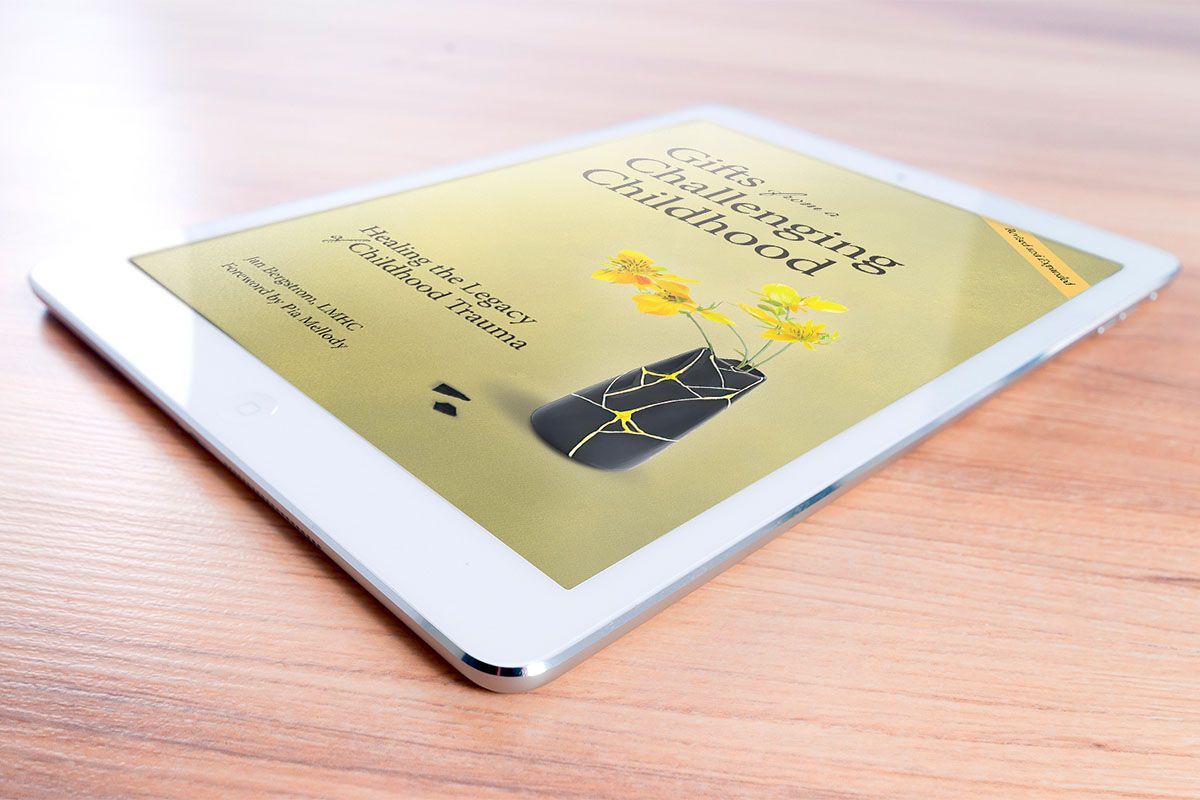
In my book Gifts from a Challenging Childhood, I talk about our birthrights—the fundamental rights we’re born with, including the right to be valued. Every child enters this world inherently worthy. Their worth is not earned. It is not conditional. It does not depend on behavior, performance, obedience, or perfection. It is intrinsic.
Children are miraculous expressions of the Divine, carrying purpose, potential, and an irreplaceable presence in the world. That’s why the first core practice—loving the Self—is so important. We may not be able to make others love us, but we can learn to extend love inward. For those who grew up without nurturance, this is often one of the hardest skills to reclaim.
Why Children Can’t Love Themselves on Their Own
Infants and young children do not yet have the neurological capacity for self-reflection or self-appreciation. They cannot generate healthy self-esteem internally. They depend entirely on caregivers to model and cultivate it.
Functional parents do this by practicing VANS:
- Validating the child’s experience
- Affirming their worth
- Nurturing their emotional life
- Setting limits that provide structure and safety
When parents offer consistent VANS input, children grow into adults who feel grounded, confident, and worthy.
When parents don’t, children internalize a very different story.
When a Child Is Undervalued
If a child grows up without emotional attunement—perhaps ignored, criticized, dismissed, or emotionally overburdened—they begin to feel:
- Inferior
- Invisible
- Undeserving
- Powerless
They learn to seek worth from external sources: achievements, approval, perfection, relationships, caretaking, or performance.
This is the root of inaccurate, diminished self-worth.
When a Child Is Overvalued
The opposite extreme is just as damaging.
A child who is overvalued—placed on a pedestal, never corrected, or treated as superior—may develop:
- A false sense of empowerment
- Entitlement
- A belief that others are beneath them
- Difficulty with accountability
- Grandiosity
Sometimes this comes not from direct praise, but from observing a parent’s contempt for others. Children absorb the message: We are the superior ones.
This leads to inaccurate, inflated self-worth.
Why Both Extremes Harm the Developing Self
Many parents unintentionally reinforce distorted messages:
- “You disappoint me.”
- “You’re the best thing that ever happened to me.”
- “You’re a burden.”
- “You’re perfect.”
Both undervaluing and overvaluing disconnect a child from inherent worth—the birthright of knowing:
“I am enough exactly as I am.”
Every child has gifts. Every child has limitations. Neither determines value.
When a family system can’t hold a child in emotional truth, the child is left:
- Ashamed and disempowered, or
- Inflated and disconnected from reality
Both are distortions. Both set the stage for relational struggles in adulthood.
Where Functional Esteem Really Comes From
Healthy self-worth comes from caregivers who consistently nurture, validate, and guide their children—not from material things, praise alone, or permissiveness. When functional esteem isn’t cultivated, children grow up searching for worth in all the wrong places.
In Gifts from a Challenging Childhood, I share two stories that illustrate this:
- One child was emotionally neglected but materially indulged—growing up feeling less than.
- The other child was never corrected or guided—growing up feeling better than.
Both responses come from wounded environments. Both lead to inaccurate self-worth. And both can be healed.
Share post